
The Importance of Afforestation in Improving the Environment
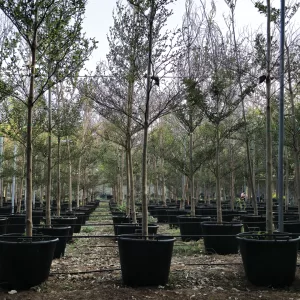
Afforestation is a fundamental element in enhancing the environment and promoting urban sustainability. It contributes to improving air quality, reducing pollution, and mitigating the urban heat island effect.
Additionally, afforestation supports biodiversity by providing habitats for wildlife. It also helps reduce urban noise and improves the psychological well-being of city residents.
In this article, we will explore the importance of afforestation in improving environmental quality and how green spaces within cities can enhance overall quality of life. We will also discuss how to integrate trees into urban planning and the various benefits they offer.
Environmental Benefits of Afforestation
Afforestation plays a vital role in enhancing air quality. Green leaves absorb harmful gases and release clean oxygen, helping to purify the air and improve public health.
Green spaces contribute to lowering urban heat islands. Through shade and water evaporation, trees help reduce high temperatures in urban areas.
Urban afforestation supports biodiversity. Trees and shrubs provide habitats for many species of birds and insects, strengthening urban ecosystems and preserving wildlife.
Afforestation also aids in regulating the water cycle. Tree roots absorb rainwater, reducing the risk of flooding and promoting balanced water distribution.
In the fight against climate change, trees are essential. They act as carbon sinks, absorbing greenhouse gases and slowing down global warming.
Through these diverse roles, afforestation serves as an effective tool for promoting environmental sustainability and protecting our planet for future generations.
Afforestation and Public Health
Green spaces create calming and comforting environments that promote psychological well-being. Simply being in nature can lower stress levels and enhance feelings of happiness and relaxation.
Public parks and trees encourage physical activity by motivating people to walk, jog, or cycle in clean, scenic surroundings.
Vegetation also plays a role in reducing urban noise. Trees act as natural sound barriers, absorbing noise and providing quieter, healthier urban settings.
Afforestation contributes to public health in a holistic way. By supporting mental wellness, promoting physical activity, and reducing noise, it helps create healthier and more livable cities.
Afforestation and Sustainable Urban Development
Afforestation adds aesthetic value to cities and gives them a unique charm. Trees and green spaces enhance the urban landscape and make areas more attractive to both residents and visitors.
Green spaces increase the value of surrounding properties. Leafy neighborhoods are more desirable for living, which boosts real estate prices and supports economic prosperity.
Afforestation also creates job opportunities—from planting to maintenance and care. These activities support local economies and contribute to sustainable development, highlighting the importance of investing in urban greening projects.
Moreover, afforestation is a key element of sustainable urban design. It links environmental, aesthetic, and economic benefits, and contributes to building thriving, balanced communities.
Afforestation’s Role in Education and Environmental Awareness
Afforestation helps raise awareness about the importance of nature and environmental conservation. By encouraging green initiatives, people become more connected to the environment and more conscious of the value of preserving natural resources.
Green spaces also provide ideal opportunities for education and scientific research. Students and researchers can study the impact of afforestation on ecosystems, enhancing their knowledge and contributing to innovative solutions for modern environmental challenges.
Conclusion: A Call to Expand Urban Green Spaces
Afforestation plays a vital role in improving environmental quality and enhancing overall well-being. Maintaining healthy cities requires increasing green spaces and achieving sustainable ecological balance.
Expanding urban greenery depends on the efforts of communities and local stakeholders. Every step toward afforestation helps create a cleaner, healthier environment for future generations. Let us work together to bring more nature into our everyday lives.